When it fits
Use it where its strengths match the workload.
- Teams provisioning cloud infrastructure repeatedly
- Multi-environment or multi-account setups
- Organizations that need an audit trail for infrastructure
Cloud technology
An infrastructure-as-code tool for defining, versioning, and safely changing cloud infrastructure.
Discuss Your Stack
What it is
Terraform describes cloud infrastructure in declarative configuration that is reviewed, versioned, and applied through a predictable plan-and-apply workflow. It replaces click-ops with repeatable, auditable change.
When it fits
Tradeoffs
Advantages
Nextryzer use cases
Technology selection follows the product, operation, team, and ownership model—not a preferred-tool checklist.
Landing zone and account baseline
Repeatable per-environment provisioning
Codifying infrastructure during a cloud migration
Connected solutions
Related services
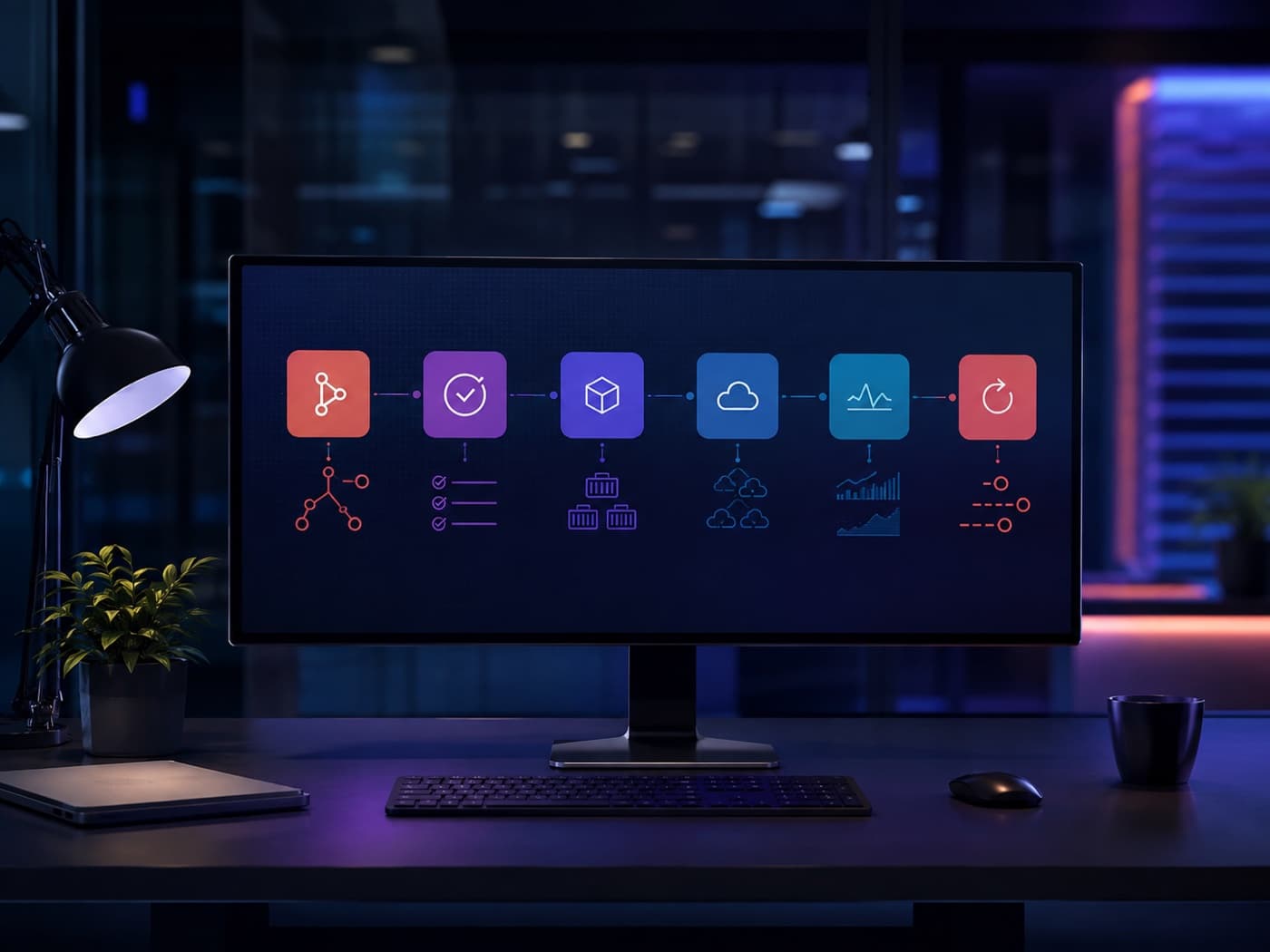
We improve the path from code to production with automation and operating practices that make change safer.
Explore service
We design secure cloud deployments that make applications observable, recoverable, and ready for real traffic.
Explore serviceWe plan and run migrations to AWS, Azure, or Google Cloud - assessing each workload, choosing the right move, and cutting over with data intact and downtime controlled.
Explore serviceTechnology questions
Choose for the whole system
We’ll evaluate the workload, product, team, risk, scale, and ownership model before recommending the stack.
Talk to an EngineerBuilt with this technology