When it fits
Use it where its strengths match the workload.
- Products that need both platforms on a limited budget
- Apps with standard UI and moderate device-feature needs
- Companion apps to an existing web or SaaS product
Experience technology
One engineering effort that ships to both iOS and Android, using React Native or Flutter where shared code is the economical choice.
Discuss Your Stack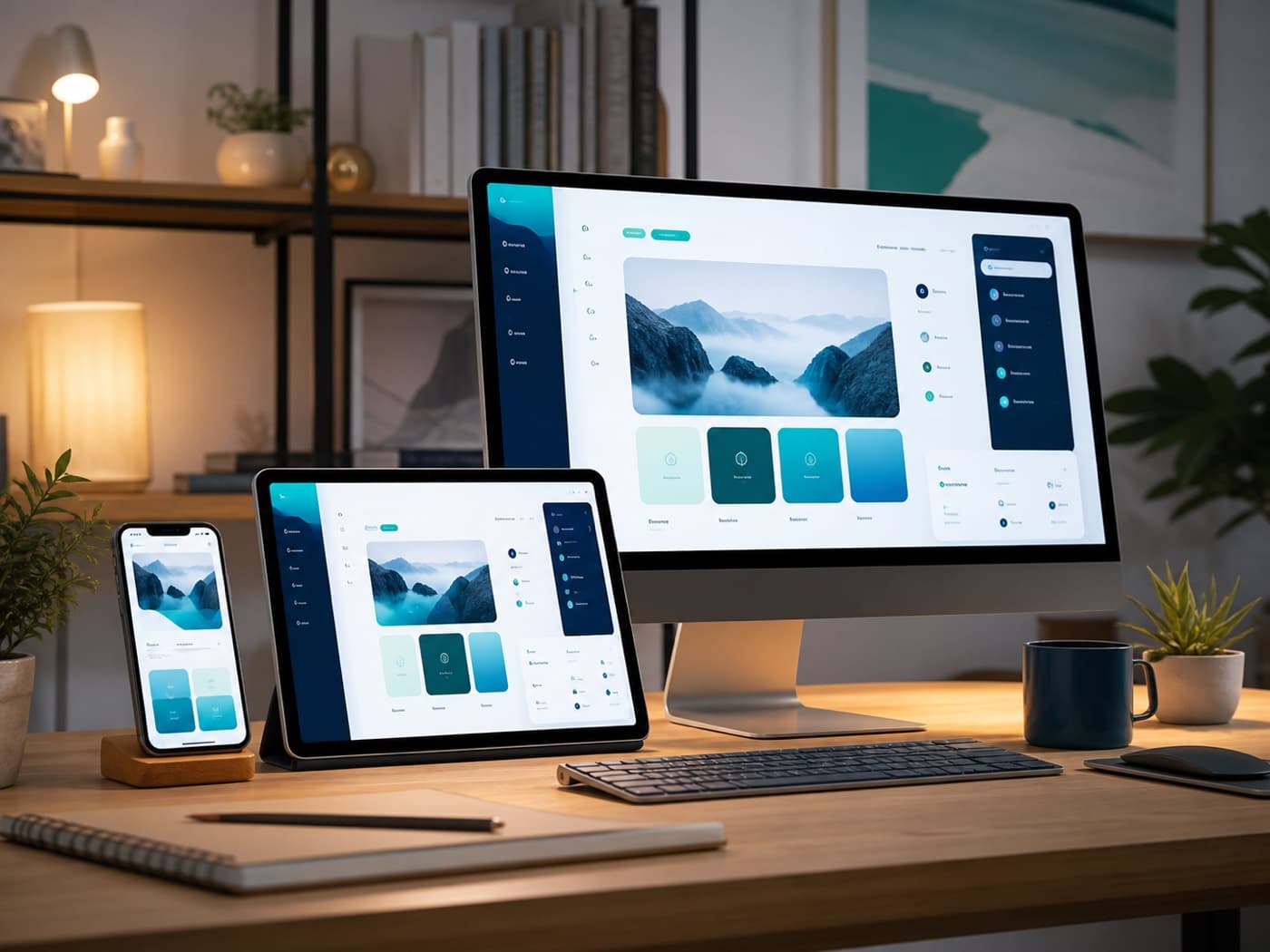
What it is
Cross-platform mobile development builds iOS and Android apps from a largely shared codebase, usually with React Native or Flutter, adding native modules where a feature requires them. It trades a small amount of platform depth for materially lower cost to build and maintain two apps.
When it fits
Tradeoffs
Advantages
Nextryzer use cases
Technology selection follows the product, operation, team, and ownership model—not a preferred-tool checklist.
MVP launching on iOS and Android together
Internal workforce app across mixed devices
Customer app extending a SaaS or ecommerce platform
Connected solutions
Related services
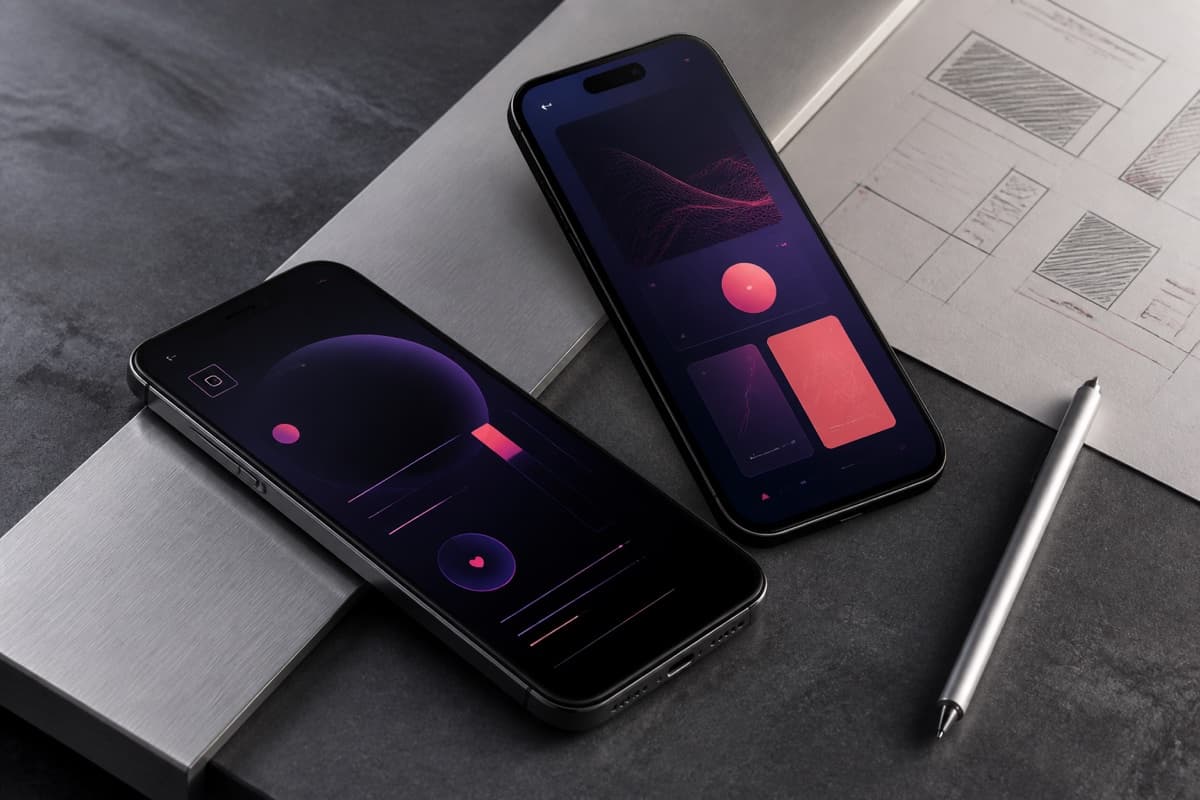
We create intuitive mobile products with the reliability and platform awareness needed to earn sustained adoption.
Explore service
We advise on software strategy, architecture, delivery, and modernization when wrong decisions are costly.
Explore service
We turn complex products and workflows into clear, confident experiences grounded in user needs.
Explore serviceTechnology questions
Choose for the whole system
We’ll evaluate the workload, product, team, risk, scale, and ownership model before recommending the stack.
Talk to an EngineerBuilt with this technology